
01 · Curriculum
The seven modules
Four weeks per module. Five of the seven carry a Carnegie Mellon Robotics Academy credential; microcontrollers opens the year and the guided capstone closes it. Students program a real robot in the first weeks.
Microcontrollers & development tools
The board, the toolchain, and your first working program
Software foundations
Program a robot: sensing, camera navigation, logic
Electrical foundations
Circuits, multimeters, a full robot e-panel
Mechanical foundations
Motors, transmissions, drivetrains, structure
Fabrication foundations
Hand tools, drawings, cut a chassis, 3D print
Robotics integration
Unpack, test and commission an industrial system
Guided capstone project
Four focused weeks after certification, then the showcase
Students finish certified by 7 April. Completing the five credentialed modules earns the SMART Certification, endorsed by the ARM Institute and the National Robotics Engineering Center. Awarded by Carnegie Mellon Robotics Academy, the certification is recognized by employers across the country.
See the full year →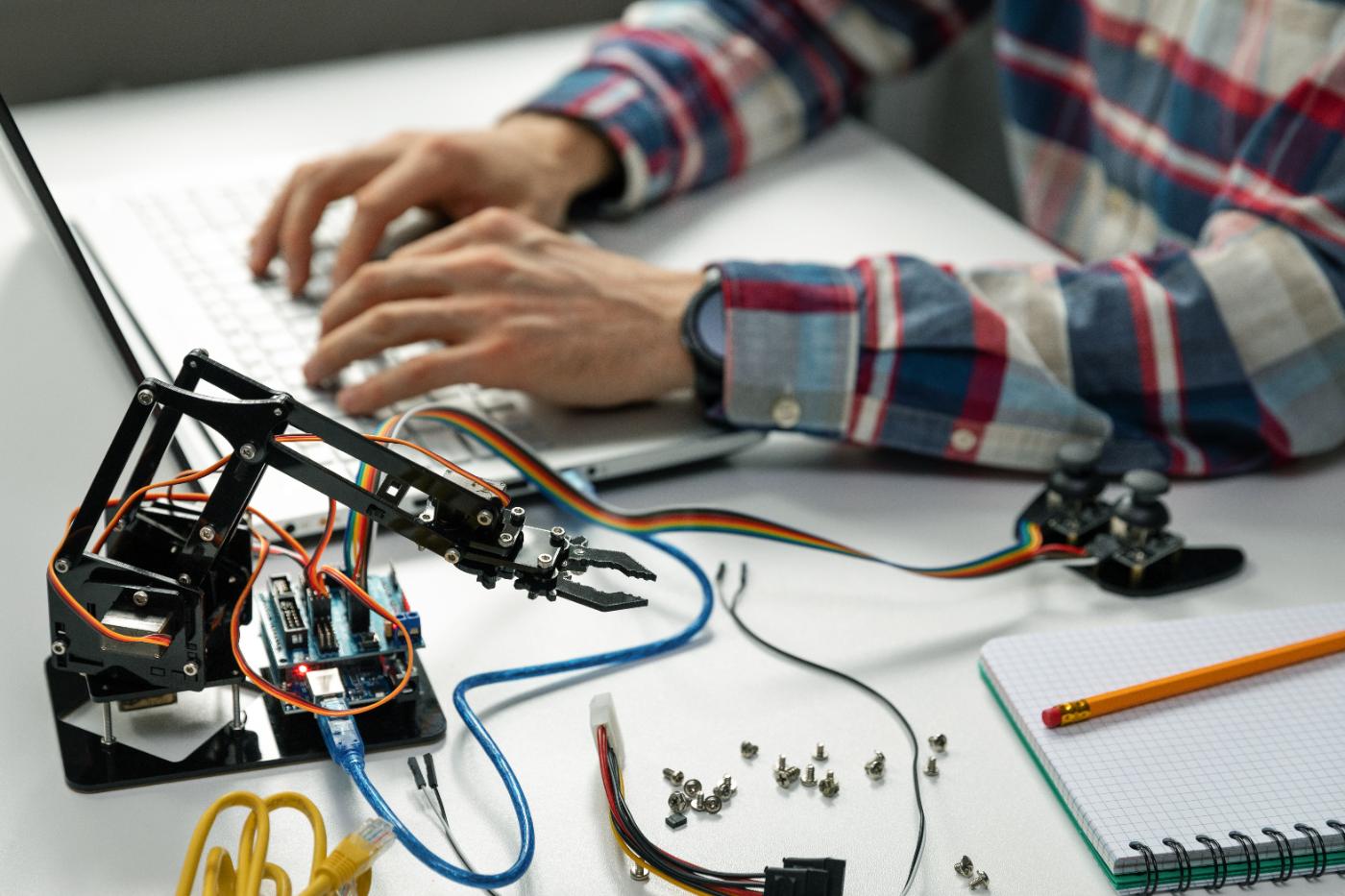
02 · Cost
What it costs
Only the five SMART modules carry a fee; microcontrollers and the guided capstone cost nothing. Pay as you go, module by module — nothing is due up front, and if a student stops they pay only for the modules taken. Assistance is available and does not affect admission. Lab laptop, kits, tools and book are included. No one is turned away for money.
03 · Admission
Who it's for
Recent high-school graduates who work better with their hands and a real problem than with a lecture. No robotics, electronics, or programming experience required — just seriousness and reliability. Applicants must be 18 by the first day of instruction.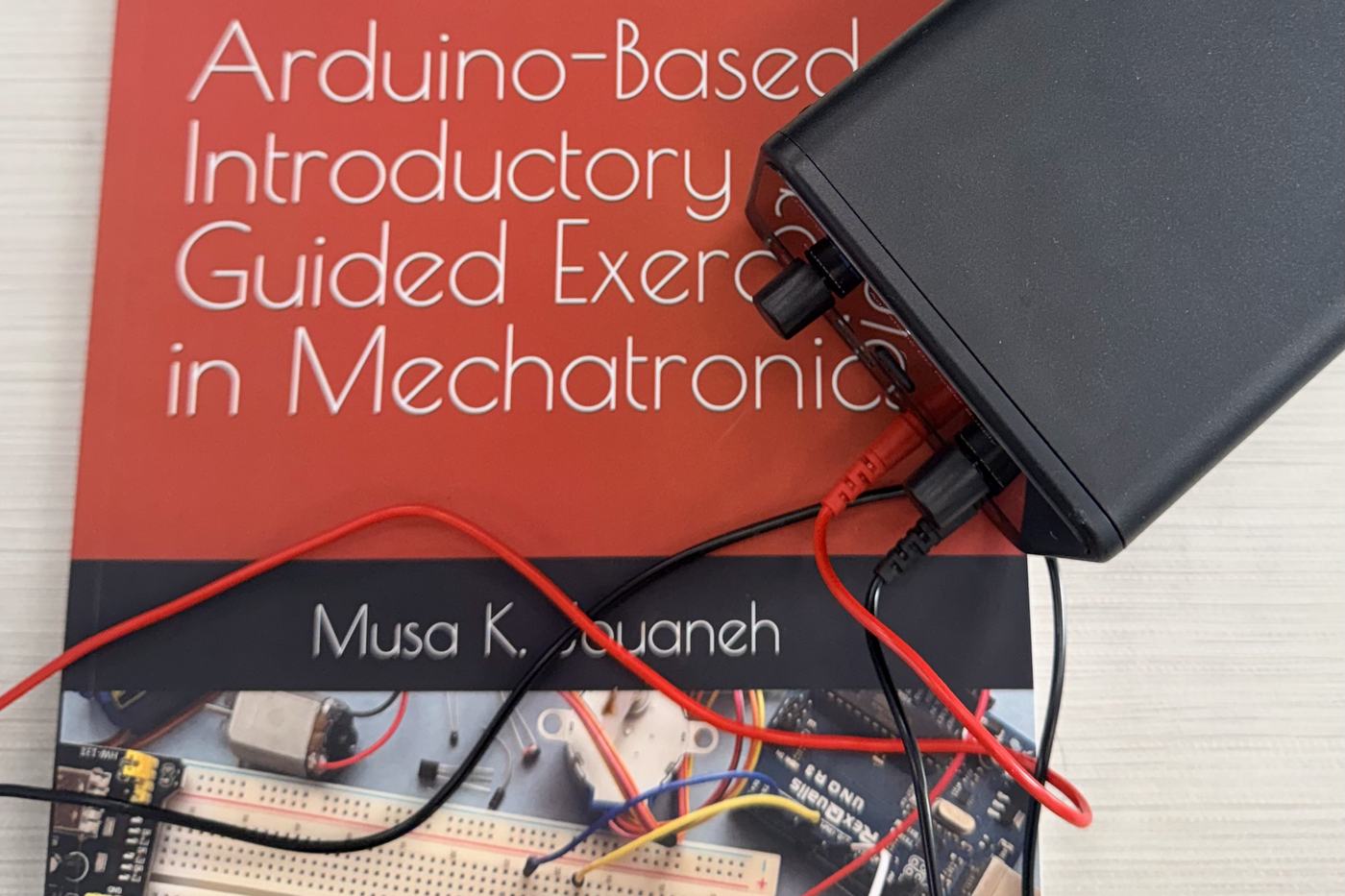
04 · Faculty
Who teaches it
Randy Caldejon and other qualified instructors. Randy is the founder — a Marine Corps veteran with an M.Eng. from Rensselaer who has started three technology companies. Every module is taught by a Carnegie Mellon Robotics Academy–certified instructor.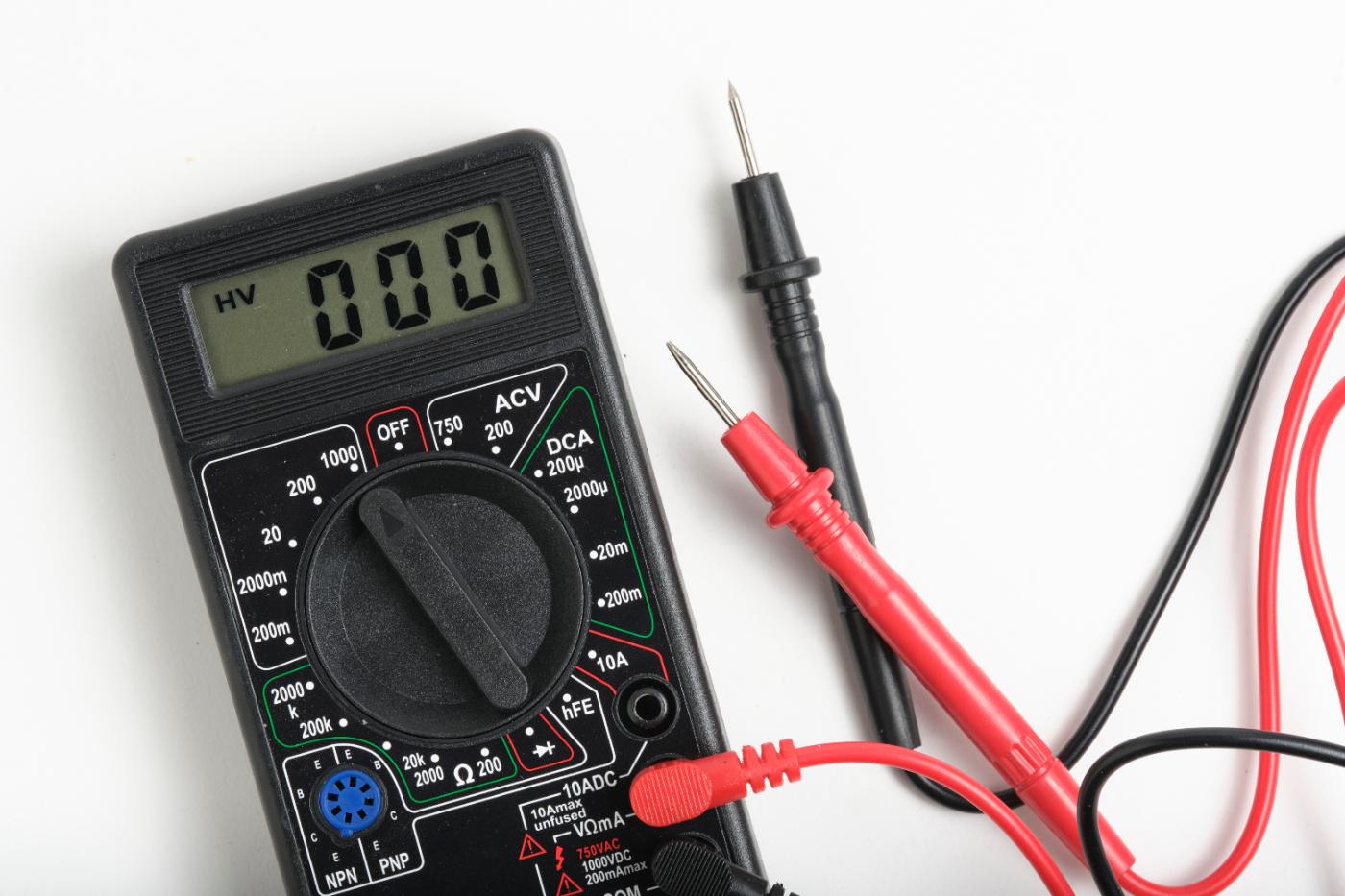
05 · Logistics
How it runs
Class schedule
Mon & Wed, 6–9 PM
One hour of instruction, two hours of lab with the instructor on hand.
Open lab
Mon–Sat, 10–3
Always staffed by a lab assistant, so no one works alone.
Cohort size
6 to 12 students
Four weeks per module — 10 hours a week, about 280 hours in all.
Platform
Parallax ShieldBot + Arduino
Real kits, tools, book and hardware from night one.
Applications closed · Next cohort forms February 2027
Six to twelve places
Cohort one is closed to new applications and begins instruction 21 September 2026. The next cohort forms in February 2027 — announcements come in December. Questions go to [email protected].